
MSU Extension’s Center for Lakes and Streams
February 12, 2026
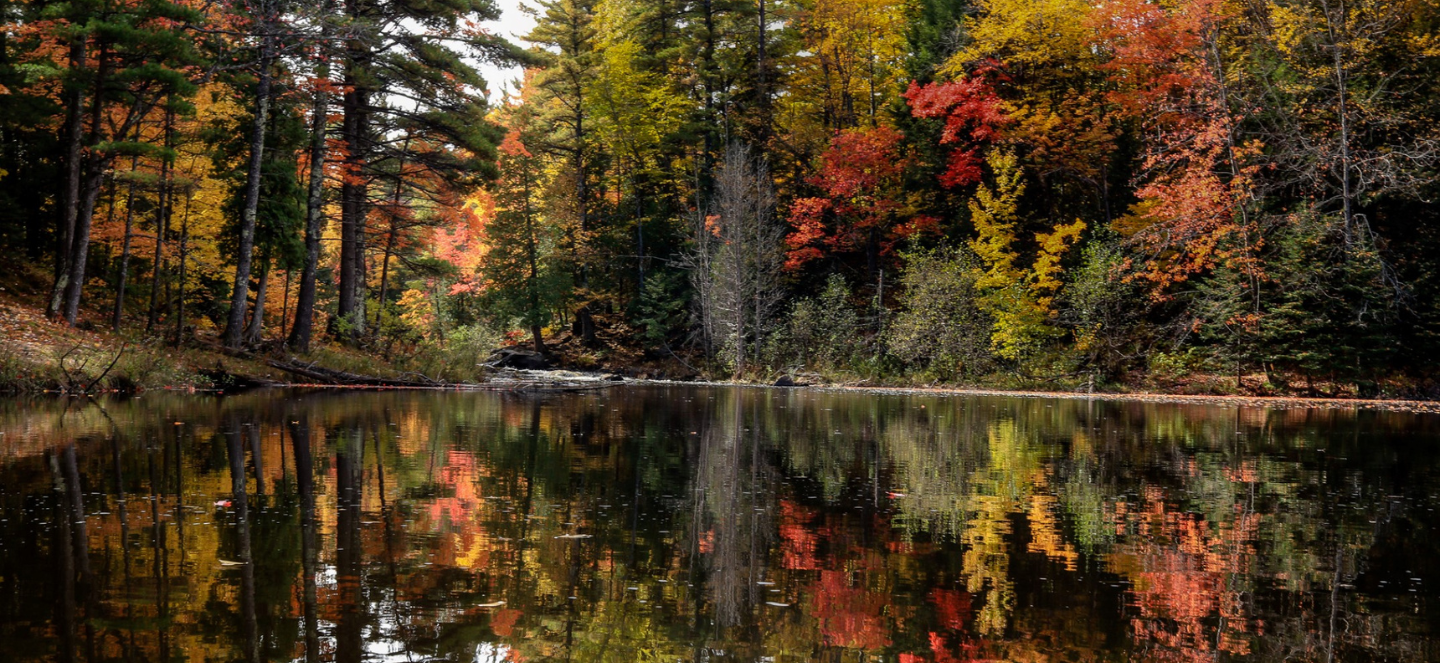
Natural Resources Educator Paige Filice and Aquatic Ecologist Jo Latimore from MSU Extension’s Center for Lakes and Streams discussed their work connecting communities with science to protect Michigan’s waterways. Filice explained the center’s focuses on education, research, and outreach, helping Michiganders better understand and manage our water resources. She highlighted programs for lakefront property owners, boaters, anglers, paddlers, municipalities, and businesses, emphasizing how each group can take part in protecting our lakes and streams.
Latimore described several key programs, including the “Introduction to Lakes” online course, which teaches individuals about lake ecology, policy, and community engagement. She also discussed the Michigan Clean Water Corps (MiCorps), which trains volunteers to monitor water quality and invasive species throughout the state.
Filice and Latimore emphasized greater partnerships with local governments, agencies, retailers, and nonprofits, and increased efforts to protect Michigan’s shorelines, prevent the spread of invasive species, and provided resources for both water professionals and environmental enthusiasts.
Climate Change & Water Resources
October 30, 2025
Professor Yadu Pokhrel (College of Engineering) and Postdoctoral Research Associate Huy Dang presented research about the effects of climate change and human activity on water resources and farming in the Great Lakes.
Pokhrel explained how his team is building large-scale computer models to study climate change, including human drivers like dams, irrigation, fertilizer use, and groundwater pumping. They’d like to understand what happens with water supply, water quality, crop production, and flooding when each of these pressures happens simultaneously.
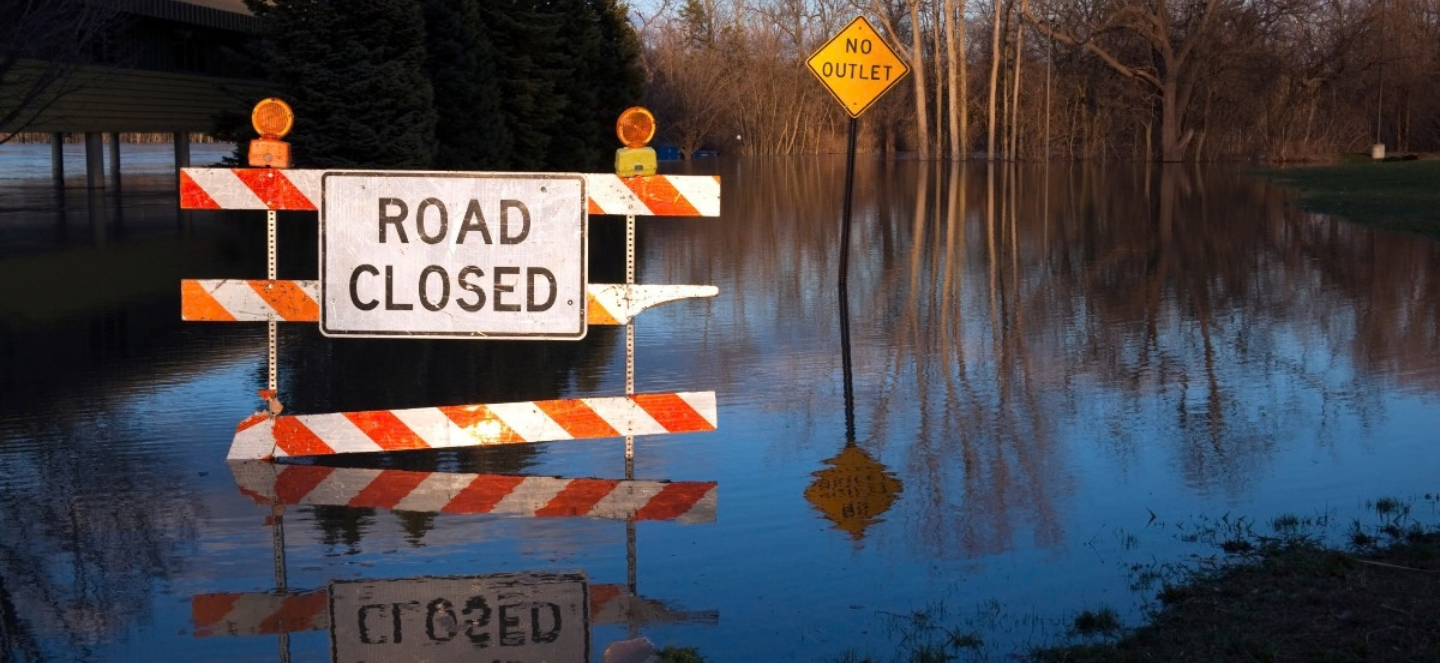
Dang focused on future climate projections. His models show that the region will get warmer with less snow in the winter and more rain in the spring. Spring flooding is also expected to occur earlier in the year, he said, and in some cases, weeks earlier than the historical average. Dang noted, however, that despite increases in total annual precipitation, summers could become drier, affecting farms in the area that rely on rainfall.
Pokhrel and Dang expressed that the Great Lakes region is likely to face a growing number of climate extremes, putting stress on our water systems. Planning and adaptation, they believe, is essential to managing water, protecting agriculture, and reducing risks from floods and droughts.