
MSU researcher brings rapid diagnostics expertise to IJC’s Health Professionals Advisory Board
Published December 14, 2025
Michigan State University professor and researcher Evangelyn Alocilja is contributing her expertise in rapid diagnostics, or portable tests that can identify water contamination within hours instead of days, to the International Joint Commission’s Health Professionals Advisory Board (HPAB).
The HPAB is a binational panel that evaluates the effects of Great Lakes water quality on human health and provides science-based guidance to policymakers in the U.S. and Canada. MSU has a longstanding presence on the board, represented by Joan Rose, the Homer Nowlin Chair in Water Research and director of the MSU Water Alliance, who joined in 2016 and currently serves as the U.S. co-chair.
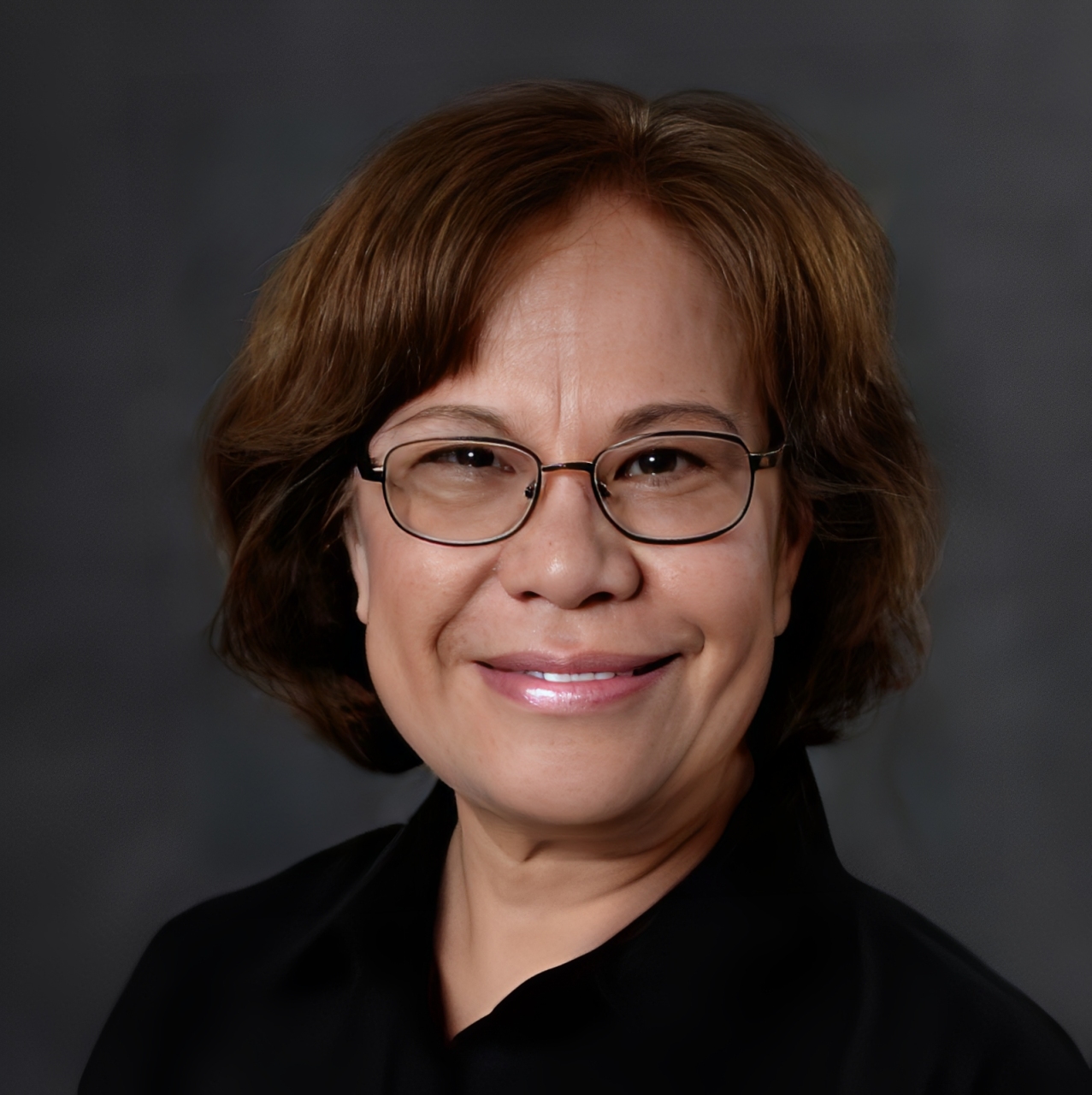
Evangelyn Alocilja, Professor in the Department of Biosystems & Agricultural Engineering.
Alocilja joined the group in August of 2025, and has since participated in several meetings that have focused on three major categories of contaminants: antimicrobial-resistant bacteria, PFAS (“forever chemicals”), and microplastics and nanoplastics. These pollutants have increasingly garnered attention because of how widespread they are in the Great Lakes, their difficulty to detect with traditional testing methods, and their association with uncertain but potentially harmful health effects.
The HPAB draws on a wide range of scientific and health knowledge, with Alocilja’s work adding a technology-driven perspective to conversations about faster, more accessible ways to effectively monitor these contaminants. Rapid, on-site diagnostics are essential for timely detection and response.
“You can finish everything in about three to four hours,” Alocilja said, a significant improvement over traditional methods that require collecting large water samples and shipping them to a lab for analysis days later.
This faster approach also makes it possible to test more frequently and across more locations.
“If you can develop a test on site,” Alocilja said. “You can map the area very quickly,” helping to build a more detailed picture of water quality across a region.
She added that the approach is inexpensive, and because it does not require highly trained personnel or specialized laboratory infrastructure, it makes it easier for agencies and communities to conduct routine monitoring.
Alocilja remarked that her role on the HPAB has given her a clearer view of how research informs policy. Reflecting on the appointment, she said she feels privileged to contribute to such a broad, interdisciplinary effort.
“It’s an honor to be part of the board,” she said. “The problems are large, but you can solve them one piece at a time.”
Story by Aja Witt