
Earth Day 2026 | MSU Water Alliance
For Earth Day 2026, we asked MSU students to reflect on their personal connection to water and share thoughts about living more sustainably on campus.

World Water Day 2026 | MSU Water Alliance
Hear from MSU Water Alliance Hub leaders Elena Litchman, Ethan Theuerkauf, and Wade Syers as they discuss global water access and building stronger, more resilient communities in the Great Lakes.
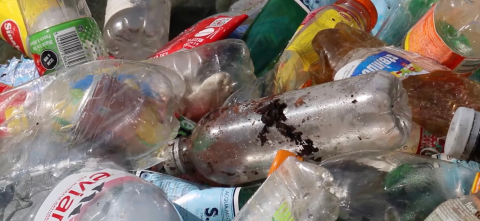
Understanding Microplastics: How Tiny Plastics Impact Michigan’s Waterways
MSU researchers are studying how microplastics develop, how they move through Michigan’s water systems, and what that means for humans and ecosystem health.
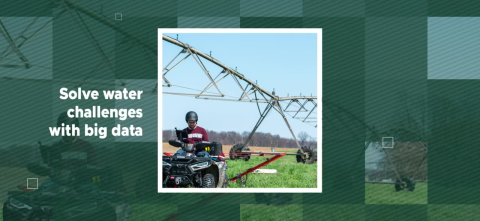
About the MSU WaterCube National Research Traineeship
The WaterCube NRT program at MSU was designed to prepare a competent workforce for addressing future sustainability and socio-economic challenges in water.

River Has No Borders | Mekong Voices Exhibit at MSU Broad Art Museum
Often called Southeast Asia’s “Mother River,” the Mekong sustains the lives, cultures, and food systems of more than 60 million people.
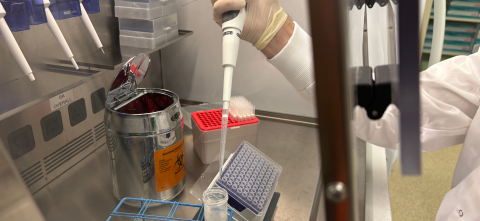
Wastewater Monitoring: Inside the Rose Lab
When a virus spreads through a community, the first warning sign is often in the sewer. Step inside MSU’s Water Quality and Environmental Microbiology Lab, also known as the Rose Lab, where scientists use wastewater to track viruses and protect public health.

Septic System Pollution
This 2-minute informational video explains how septic systems work and what happens if they fail. Hear from MSU researchers and community experts about how better maintenance and monitoring can help protect Michigan’s water.
PFAS: Forever Chemicals
What are PFAS, and how do they show up in Michigan’s water? This 2-minute video explains how these “forever chemicals” move through the environment, what researchers are doing to track them, and what it means for our communities.