
Published March 25, 2026
Cheryl Porter, Chief Operating Officer of Water and Field Services at the Great Lakes Water Authority (GLWA), has spent nearly three decades shaping the future of water infrastructure and public service throughout Michigan. Her background includes a Bachelor of Science in chemistry from the University of Michigan, a Juris Doctor from the University of Detroit Mercy School of Law, and an MBA from Madonna University.
In 2024, Porter made history as the first African American and first woman of color to serve as president of the American Water Works Association (AWWA), the largest nonprofit organization dedicated to managing and improving water systems in the U.S.
In a conversation with the MSU Water Alliance for Women's History Month, Porter reflects on her historic presidency, challenges facing aging water systems in Michigan, and how institutions can better prepare the next generation of water professionals.
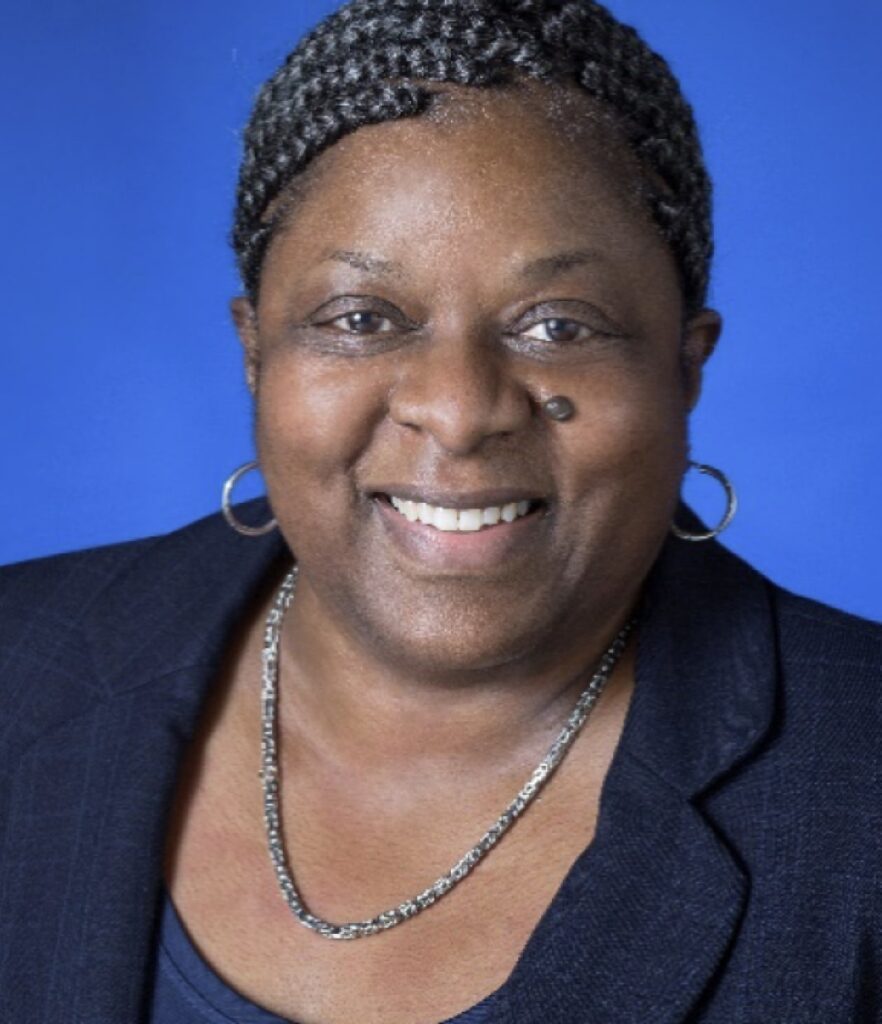
Cheryl Porter took over as AWWA President at the gavel-passing ceremony, June 13, 2024. Courtesy PHOTO
Q: As the first African American and first woman of color to serve as President of the American Water Works Association (AWWA), what was that experience like for you personally and professionally?
Cheryl Porter: It was an exciting and humbling moment. When I was first elected, I said in a lot of interviews that it took people who didn’t look like me for this to happen, and that sends a powerful message. In the moment, it took me a minute to realize I had actually won. I don’t think I really imagined I would win, but I wanted to give it a shot because I knew it could be history-making.
I’ve been involved with AWWA for many years, but during my early years as a member, I viewed my involvement as more of a one-sided relationship where I did all the taking. They had resources that were relevant to my field and information that helped me grow in my career. That changed when my former CEO at the Great Lakes Water Authority encouraged me to start giving back. We created a five-year plan focused on getting more involved with AWWA at the leadership level.
Once I was on the board, there were past presidents who came to me and encouraged me to consider running. They saw something in me that I didn’t necessarily see in myself, but that really helped plant the idea.
Q: You’ve previously spoken about aging infrastructure and the need for innovation. How do you approach getting policymakers and the public to invest in these systems that are often taken for granted?
Cheryl Porter: We in the water profession must get much better at telling our story. We tend to be introverts who think, “If we do our job right, you won’t notice us.” But that’s the wrong approach. People need to understand the behind-the-scenes work.
I remember there was a time when we [GLWA] were doing tours for the public. And every time I did a tour, there was at least one person who would come up to me afterwards and say, “You know what? I’m not going to complain about my water bill anymore. I had no idea all of this had to happen in order for me to walk up to my tap and turn it on.”
We need to communicate more proactively, before rate increases, about what we do and why it’s essential, because water is life. Affordability and sustainability matter, but people support it when they connect to the value.
Q: AWWA’s Water 2050 initiative envisions a sustainable, affordable, and resilient water future for all. What progress have you seen, and what more needs to be done?
Cheryl Porter: Water 2050 was a great idea. It’s about thinking ahead and shaping the future rather than reacting to it. The initiative was created by former [AWWA] presidential officers with the CEO, and I was close enough on the board to be involved.
I was part of the think tanks, which brought in various experts that water professionals may not typically work with [urban planners, power utilities, and global perspectives from the United Nations] to explore what the future of water should look like.
With Water 2050, we wanted to involve diverse perspectives earlier in the process so future systems could be designed more effectively. Too often, I’ve seen people build subdivisions or neighborhoods first, and then think about where the water is going to come from after. This is about bringing some of those nontraditional partners to the table and allowing them to have some input on what we’re trying to achieve, how they see the future, and whether the direction we’re heading is realistic.
Q: How can higher education and institutions like Michigan State University better prepare the next generation of water professionals? What skills or gaps should they address?
Cheryl Porter: One thing we’ve learned is that we need to start earlier in exposing people to the water sector, ideally in elementary and middle school, so they understand the full range of opportunities available. Apprenticeship programs are helpful, and internships allow people to gain hands-on experience, but outreach really needs to begin before that.
And it’s important to remember that the workforce is changing; not everyone needs a traditional college path. Skilled trades and technical roles are essential in this field.
Q: Looking back on your time as AWWA president, what are you most proud of, and how do you hope your work continues to impact future generations?
Cheryl Porter: One of the things I’m most proud of is that I took the chance, and it was successful. So now you've seen it. You know it's possible.
I’m also proud of the connections that came from the role: being recognized by my organization, my state, and people in the broader community. I didn’t expect that level of connection, but it’s become very meaningful to me.
Finally, I’m proud of the growth within my team and organization. While I was away [fulfilling presidential duties], they stepped up and made sure everything got done. When I came back, they even asked me to help train them in leadership and share some of the approaches I had been using. That was an honor—to come home and hear them say, ‘We want to hear from you. We want to learn some of what you’ve been sharing with everyone else.’ It was a moment of pride as well.
Interview by Aja Witt