
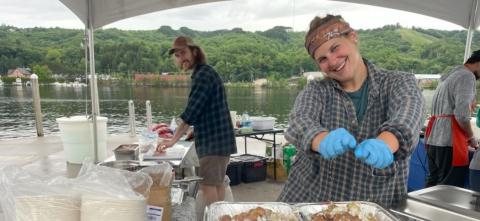
Mi Fresh Fish shares fisheries facts – and tasty fish – around the state
Fish frys, on-boat experiences are opportunities to learn about aquaculture, fisheries education for consumers and legislators.
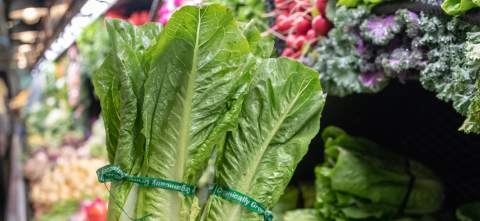
Spartans Making a Difference: Safer Greens, Invasive Carp Control, and Clearer Streams
This week’s articles by MSU faculty, specialists, and students making a difference feature cold-stored E. coli in lettuce, invasive carp behavior in Lake Erie, and groundwater reshaping stream chemistry.
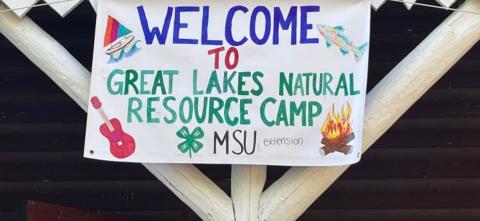
Fishing, snorkeling, sailing - it’s all in a day’s work for these Michigan Sea Grant staffers
As a 4-H Great Lakes Natural Resources Camp sponsor, Sea Grant offers hands-on natural resource lessons.
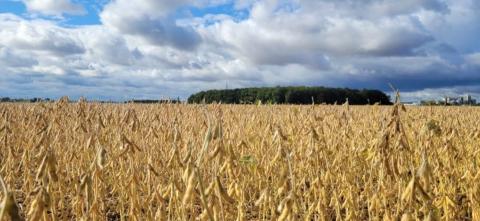
No payoff from high soil test phosphorus: Save fertilizer and protect water quality
Lake Erie continues to experience summer algal blooms due to excess phosphorus.
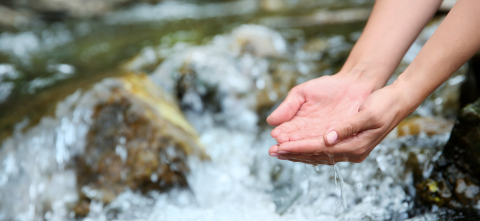
Addressing the challenge of water for all: insights from MSU researchers
Three MSU research teams are examining how Midwestern communities navigate water access and decision-making, from climate resilience to public attitudes and policy outcomes.
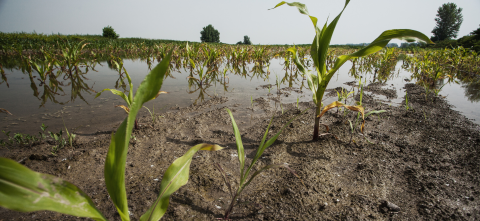
Spartans Making a Difference: Designing for the Future — Smarter Drainage, Cleaner Water
This week’s articles by MSU faculty, specialists, and students making a difference feature climate-smart drainage design, wastewater treatment to reduce antibiotic resistance, and PFAS in solar panels.

MSU’s Flint Registry secures federal funding to continue public health work in the community
After months of federal funding uncertainty, the Flint Registry has received notice of renewed funding beginning Aug. 1, enabling continued long-term efforts to support those impacted by the Flint Water Crisis.
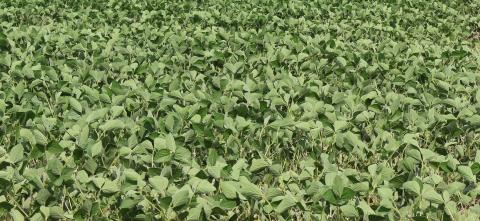
Recognizing water stress and critical growth stages in corn and soybeans
Water stress is one of the most limiting factors in crop production, affecting grain yield, quality and nutrient uptake.
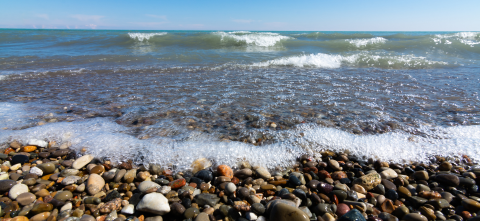
Spartans Making a Difference: Shaping Shorelines, Safeguarding Futures
This week's articles by MSU faculty, specialists and students making a difference feature coastal resilience in the Great Lakes, phosphorus runoff from farm fields, and climate benefits of regenerative agriculture.
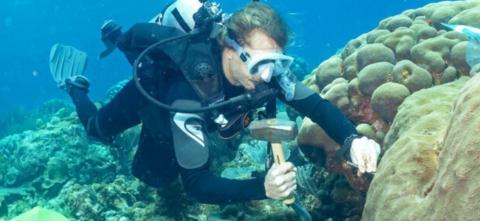
New study reveals how corals teach their offspring to beat the heat
Caused by stressful conditions like warming ocean temperatures, coral bleaching is a leading threat to some of our planet’s most diverse and vital ecosystems.

Spartan science protects the water we depend on
Water is one of our planet’s most vital resources — essential for life, food production, energy and industry. But it’s facing serious threats from pollution, changes in climate and overuse.
MSU leads $12 million Western Lake Erie Basin performance-based conservation program
The program is funded by the Michigan Department of Agriculture and Rural Development and led at MSU by the Institute of Water Research and the Center for Regenerative Agriculture.