

Student view: Exploring water insecurity
Priyanka Jayakodi is the recipient of the 2024-25 Rose Graduate Fellowship in Water Research, awarded through the MSU Water Alliance and the Graduate School.

New MSU research shows how some agriculture practices impact food safety, health
Sustainable agriculture involves farming in a way to protect the environment, aid and expand natural resources, and make the best use of nonrenewable resources. But how does it affect food safety and public health?

Newly published research by MSU scientists shows how low levels of water contamination impact fish behavior and survival
A research team spearheaded by MSU scientists has recently published findings detailing the impacts low levels of water contamination have on the behavior, simulated growth and survival of fish.
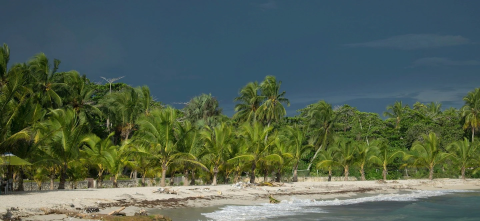
Hurricanes causing mortality, major damage: MSU experts can comment
We know that at least 400,000 gallons of untreated wastewater was spilled due to Helene.
New director named for MSU Institute of Water Research
Michigan State University Research Foundation Professor Pouyan Nejadhashemi has been named director of the MSU Institute of Water Research effective Oct. 15, 2024.
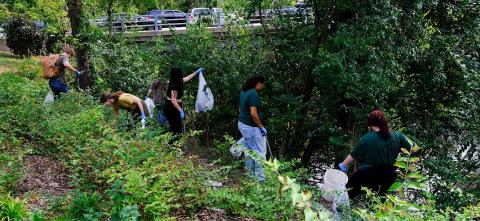
Red Cedar River Cleanup (Oct. 2024)
Using equipment and techniques like magnet fishing, grappling hooks, and motorized equipment, the day’s effort produced almost 1000 pounds of materials from the natural area and river.
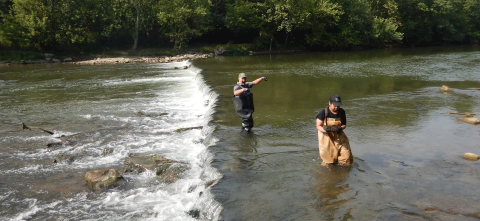
MSU research: Warming lakes and rivers may spread fish pathogens
As the Great Lakes ecosystem warms, an MSU researcher is investigating new pathogens that may become relevant to the fish that live here.

Ask the expert: How do microplastics impact the health of humans and the planet?
They are found in the food we eat, and the water we drink. Microplastics are about the size of a human hair...
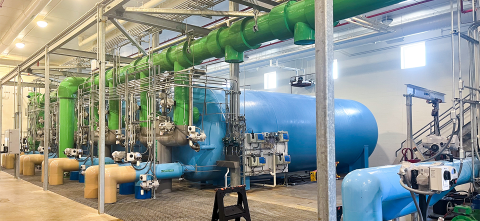
What it Takes to Supply a 60,000-Person Campus With Water
On any given day, the MSU Water Treatment Plant pumps about 4 million gallons of water to ensure the 60,000 students, faculty and staff on campus can fill their water bottles, flush toilets and wash dishes.
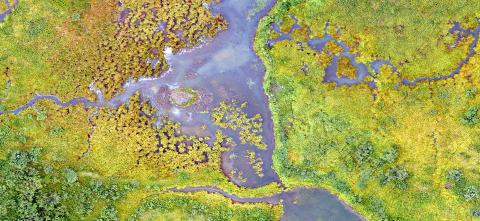
MSU water, environmental experts can discuss impacts of US Supreme Court EPA decision
The decision dramatically narrowed the scope of the Clean Water Act, undoing protections that have safeguarded the nation’s waters for more than 50 years.
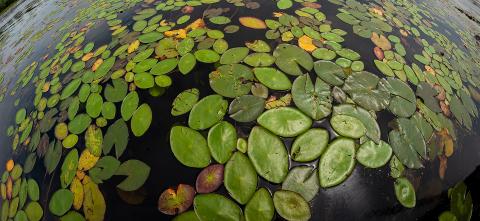
MSU scientists working to understand distribution of Michigan’s native, invasive aquatic plants
Researchers are testing various methods to analyze plant species found in Michigan lakes.
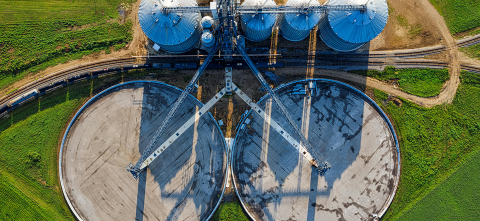
MSU researcher examines relationship between water infrastructure, economic development in rural U.S. communities
MSU Professor Stephen Gasteyer is gaining deeper insight into the gap in U.S. water access by analyzing the link between water infrastructure and economic development in rural U.S. communities.