The Grand River, Michigan’s longest river, is a vital ecological and cultural resource; reducing plastic pollution in Lansing and Grand Rapids is crucial for preserving its health and biodiversity. Advancing knowledge about the environmental impacts of plastic pollution enables better strategies to safeguard Michigan’s waterways and ensure their long-term resilience.
A recent proposal to tackle plastic pollution in Lansing's waterways involves implementing bubble barrier technology developed by the Dutch social enterprise, The Great Bubble Barrier. This innovative system uses a bubble curtain to intercept and redirect plastic pollution in rivers, preventing it from sinking or flowing into larger, harder-to-manage waterways. The project aims to evaluate and advance technology and knowledge for plastic control in aquatic environments, as well as create opportunities for public engagement.
Our Focus
This pilot project includes efforts to characterize plastics collected, understand the Bubble Barrier’s hydrodynamics, develop art-based interventions, monitor water quality in the Grand River, evaluate the barrier's impact on biota, and assess public awareness of its effectiveness and impact after installation.
Our Team
This pilot project is led by Michigan State University (MSU) in collaboration with Grand Valley State University (GVSU). The key investigators from the MSU Water Alliance include Dr. Yoorae Noh (Packaging), Dr. Phanikumar Mantha (Environmental Engineering), Dr. Lissy Goralnik (Community Sustainability), Dr. Ruth Kline-Robach (Water Research Institute), and Water Alliance Director Dr. Joan Rose. Key investigators from GVSU include Dr. Alan Steinman, Dr. Mark Luttenton, Dr. Matt Cooper, Dr. Ryan Otter, Dr. Amanda Buday, and Mike Hassett.
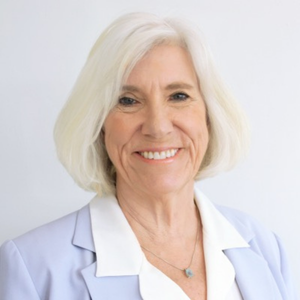
Joan Rose (PI)
Dr. Joan B. Rose holds the Homer Nowlin Chair in Water Research at Michigan State University and is the Director of the Water Alliance. She is an international expert in water microbiology, water quality and public health safety.
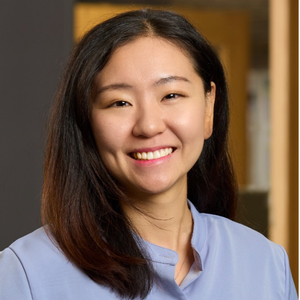
Yoorae Noh (Co-PI)
Dr. Yoorae Noh’s research examines how plastics are manufactured and processed, how they change in the environment, and how they can be recovered and reused.
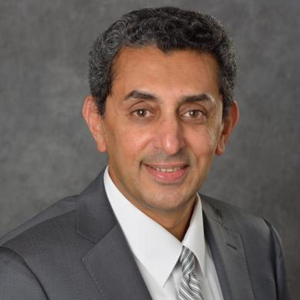
Phanikumar Mantha (Co-PI)
Dr. Phanikumar Mantha is a Professor in the Department of Civil and Environmental Engineering. His research focuses on water quality and environmental flow and transport processes.
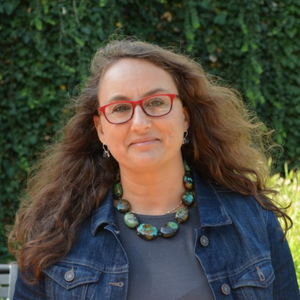
Lissy Goralnik (Co-PI)
Dr. Lissy Goralnik's research explores art-science integration, interdisciplinary collaboration, informal environmental learning, and community wellbeing.
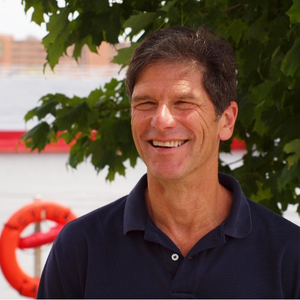
Alan Steinman (Co-PI)
Dr. Alan (Al) Steinman is the Allen and Helen Hunting Research Professor of GVSU’s Annis Water Resources Institute (AWRI). His research includes aquatic ecosystem restoration, harmful algal blooms, phosphorus cycling, and water policy.
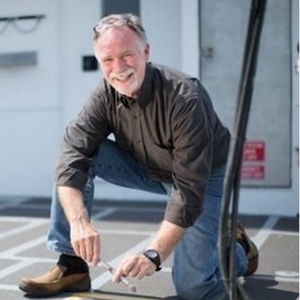
Mark Luttenton (Co-PI)
Dr. Mark Luttenton is a Professor of Biology at GVSU whose research focuses on aquatic ecology, including brown trout whirling disease, steelhead recruitment, invasive cattails, and Great Lakes fungi.
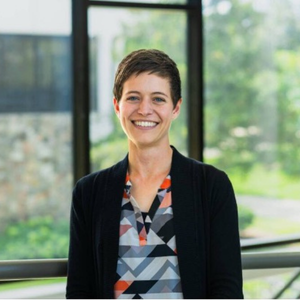
Amanda Buday (Co-PI)
Professor Amanda Buday is a rural sociologist at GVSU who studies community relationships with natural resources and helps watershed and conservation organizations gather public input on water quality and resource management.
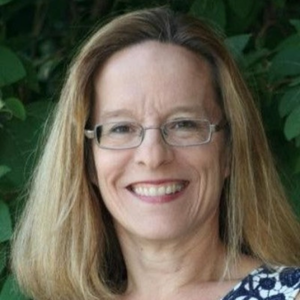
Ruth Kline-Robach (Facilitator)
Ruth Kline-Robach is an Outreach Specialist in the Department of Community Sustainability with expertise in community-based water resources management issues.
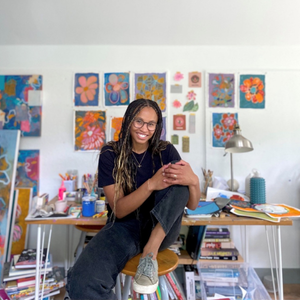
Avery Williamson (Artist)
Avery Williamson is a multidisciplinary artist whose work explores historical and contemporary notions of the archive, adding dimension and spaciousness to narratives of the past, present and future.
Google Scholar Publications
- Scott, J., Gunderson, K., Green, L., Rediske, R.R. and Steinman, A.D. 2021. Perfluoroalkylated substances (PFAS) associated with microplastics in a lake environment. Toxics 9, 106. https://doi.org/10.3390/toxics9050106
- Steinman, A.D., Scott, J., Green, L., Partridge, C., Oudsema, M., Hassett, M. Kindervater, E., and R. Rediske. 2020. Persistent Organic Pollutants, Metals, and the Bacterial Community Composition Associated with Microplastics in Muskegon Lake (MI). Journal of Great Lakes Research 46: 1444-1458. https://doi.org/10.1016/j.jglr.2020.07.012
- Velasquez, P.*, Green, L., Scott, J. and A.D. Steinman. 2025. Year-Round Characterization of Microplastics and 6-PPD Quinone in a Suburban Lake System Impacted by Highway Runoff. Microplastics 4, 91. https://doi.org/10.3390/microplastics4040091
- Velasquez, P.*, Partridge, C., Hamsher, S., and A.D. Steinman. 2026. Plastisphere Biodiversity on Microplastics in a Salt-Impacted Lake. Water 18, 1006. https://doi.org/10.3390/w18091006
Contact Information
- Joan B. Rose, rosejo@msu.edu
- Ellie Sibula, sibulael@msu.edu