
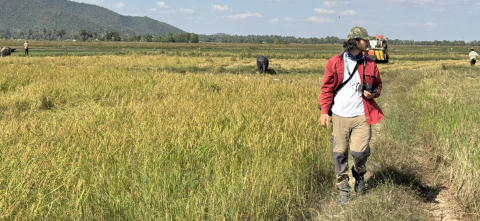
Leo Baldiga – Water Management and Agricultural Technology
Leo Baldiga is a third-year PhD student in the Department of Geography, Environment, and Spatial Sciences. His research bridges social science, water management, and emerging agricultural technologies, with a focus on Southeast Asia.
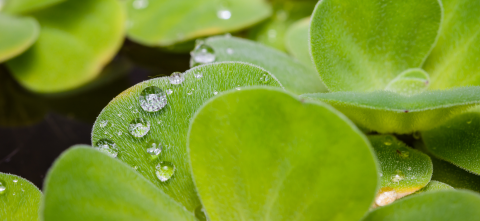
Katherine McCullen – Phytoremediation Using Duckweed
Katherine McCullen is a PhD student in the Department of Biosystems & Agricultural Engineering. Her research involves the use of duckweed, an aquatic plant, as a phytoremediator, removing contaminants from the environment.
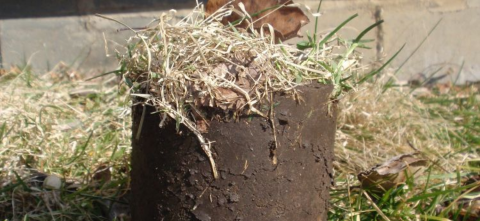
Testing for contaminants in soil, water and plants
Sometimes, what you don’t know can hurt you. MSU Extension's soil testing service offers a variety of analyses through the Home Lawn and Garden Soil Test Mailer, and the commercial soil test bag.
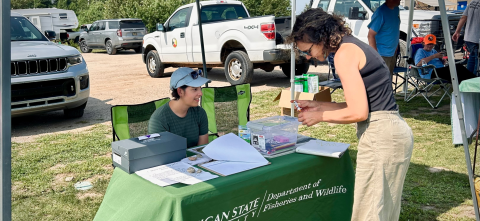
Marinna Guzy – Great Lakes Fisheries and Indigenous Knowledge
Marinna Guzy is a doctoral student in the Department of Fisheries and Wildlife with a dual major in Environmental Science and Policy. One aspect of her research focuses on building relationships with the Bay Mills Indian Community.
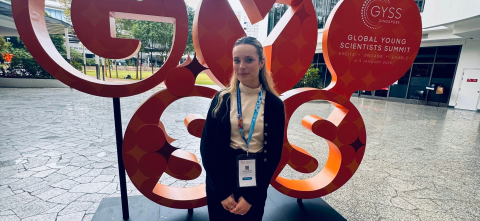
Autumn Bland – Water Access
Autumn Bland is a second-year PhD student in the Department of Sociology. Her research examines household and individual water access, including access to plumbing and basic water infrastructure.

Rui Li – PFAS in Agriculture
Rui Li is a PhD student in the Department of Plant, Soil and Microbial Sciences. Her research uses machine learning to study soil and crop systems.
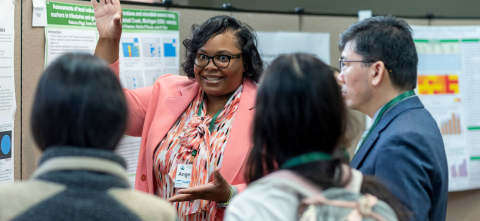
Angelique Willis – Drinking Water Quality and Public Health
Angelique Willis is a dual PhD student in Geography and Environmental Science and Policy. Her research centers drinking water quality and public health outcomes, with a specific focus on environmental justice and underserved communities.
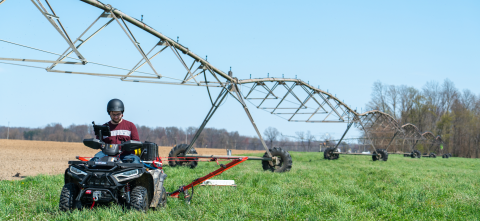
Greg Rouland – Wastewater and Soil Management
Greg Rouland is a PhD student in the Department of Biosystems & Agricultural Engineering. Using a machine called the tTEM, he collects data on soil resistivity across fields, which helps to determine where wastewater can be applied most effectively.
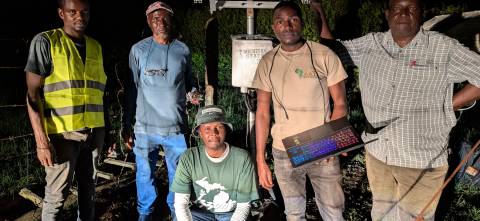
Andrew Chesang – Precision Agriculture
Andrew Chesang is a doctoral student in the Department of Biosystems & Agriculture Engineering. His research uses robots, 3D imaging, and in-field sensors to help farmers manage their apple orchards throughout the year.
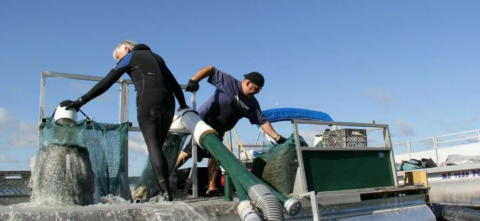
One lake's success story: Winning the fight to control invasive Eurasian water milfoil
Higgins Lake uses diver-assisted suction harvesting to reduce the aquatic invasive species but it has taken an investment of time and money.

Michigan is last state without a septic system code. Will that change?
A new Senate bill would address the regulation, inspection and re-evaluation of septic systems. If passed, Michigan would become the last state with a comprehensive septic code intended to prevent contamination of drinking water.

MSU packaging assistant professor Yoorae Noh explains the human health implications of micro- and nanoplastics
Dr. Yoorae Noh has spent her career investigating plastics, microplastics, and the emerging concern of nanoplastics.